A straightforward routine can help reduce the appearance of dryness, uneven texture and fine lines—without trying to erase every sign of age.
Looking younger after 40 does not have to mean chasing a perfectly smooth face. For many men, the most noticeable improvements come from something simpler: skin that looks hydrated, even-toned, rested, and well cared for.
Topical skincare can improve the appearance of dryness, dullness, uneven texture, and some fine lines when the routine is well chosen and used consistently.
The goal is to look like a healthier, more refreshed version of yourself.
| PRO TIP: If you only make three changes, use broad-spectrum SPF 30 or higher every morning, moisturize daily, and introduce a retinol product gradually if your skin tolerates it. |
Why Skin Can Look Different After 40

With age, skin commonly becomes drier and less resilient. Years of ultraviolet exposure may also become more visible as uneven tone, rough texture, spots, and fine lines. Men’s skin is typically thicker than women’s skin, but the fundamentals of an effective routine remain the same: gentle cleansing, moisture, and daily sun protection.
A good routine should also fit your skin type. Oily or acne-prone skin may benefit from lightweight, non-comedogenic formulas, while dry or sensitive skin usually does better with fragrance-free products and fewer active ingredients. If a product repeatedly stings, burns, or causes swelling, stop using it and speak with a dermatologist.
7 Ways Men Over 40 Can Look Younger
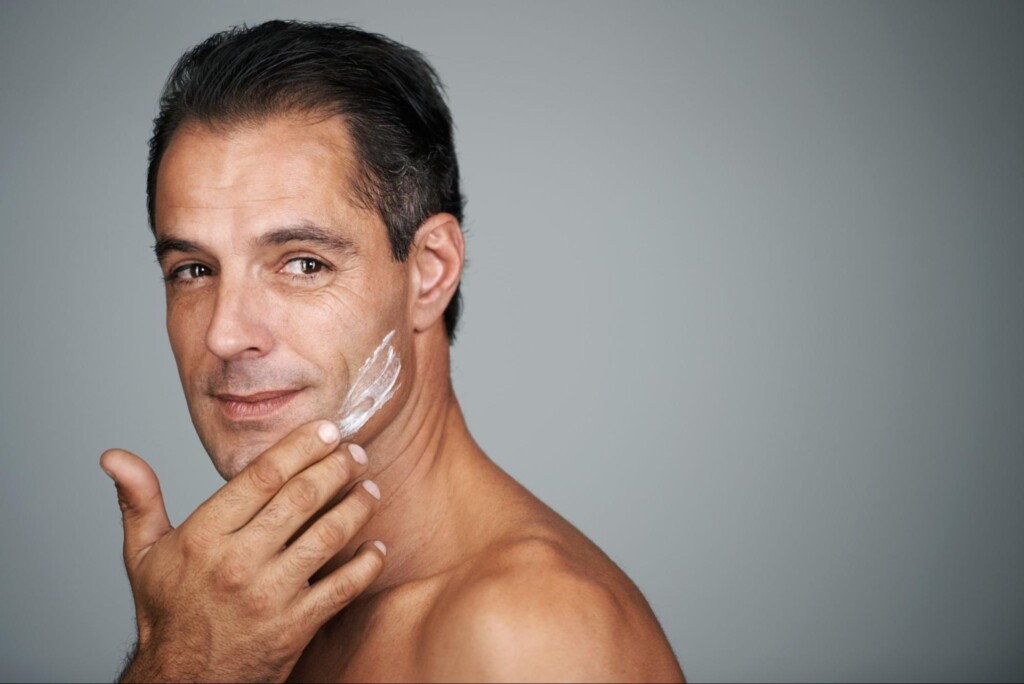
You do not need an elaborate routine to make a noticeable difference in how your skin looks and feels. Start with these seven practical steps to protect your skin, improve hydration and texture, and maintain a healthier, more refreshed appearance.
1. Make Sunscreen Your Daily Anti-Aging Essential
Daily sun protection is the most important step for preventing additional visible sun damage. Choose a broad-spectrum, water-resistant sunscreen with SPF 30 or higher. Apply it to the face, ears, neck, and any exposed scalp before going outside, and reapply about every two hours when outdoors or after swimming or sweating. Do not rely on an anti-aging moisturizer as sunscreen unless its label includes a tested SPF.
2. Cleanse Without Stripping Your Skin
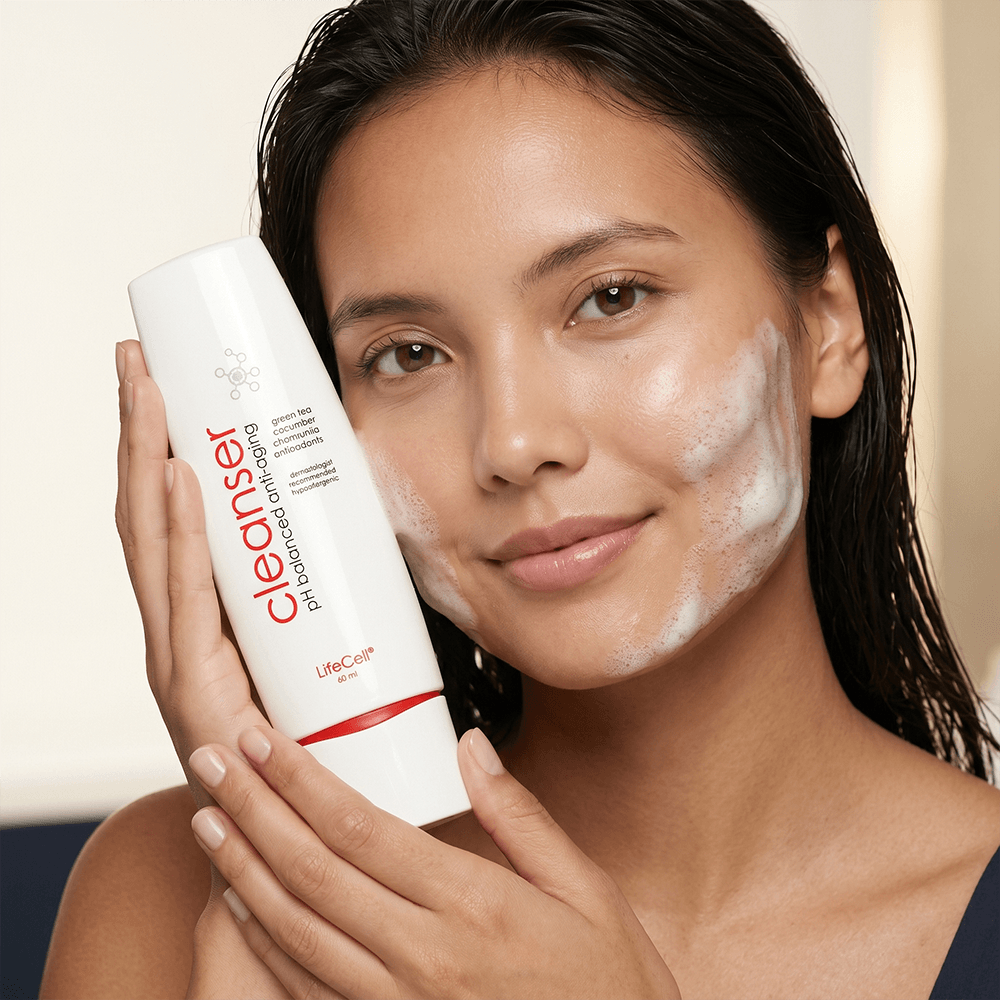
Use a mild facial cleanser with lukewarm water rather than hot water or a harsh body soap. Wash in the morning, before bed, and after heavy sweating. Scrubbing harder will not make skin younger. Irritation can make dryness, redness, and fine lines look more noticeable.
If shaving leaves your face tight or irritated, soften the beard with warm water and shaving cream, shave in the direction of hair growth and avoid repeatedly passing over the same area. A single- or double-blade razor may help men who are prone to razor bumps.
3. Moisturize Every Day
Moisturizer traps water in the skin, which can soften the appearance of fine lines and help the complexion look brighter. Apply it after cleansing or shaving while the skin is still slightly damp. Even oily skin can need hydration. Choose a lighter, non-comedogenic formula if heavier creams feel greasy.
Hydrating ingredients such as glycerin, hyaluronic acid, and sodium hyaluronate attract water, while emollients and barrier-supporting ingredients help the skin feel smoother and more comfortable.
4. Introduce Retinol Gradually
Retinol is an over-the-counter retinoid commonly used to improve the appearance of mild fine lines, uneven tone, and texture. It can also cause dryness or irritation, especially when first introduced.
Start with the least-intense formula that suits your skin and consider using it every other night before increasing frequency. Apply sunscreen during the day. If you have very dry, reactive, or inflamed skin, consult a board-certified dermatologist before adding a retinoid.
| PRO TIP: AVOID INGREDIENT OVERLOAD. Introduce one active product at a time. Layering multiple retinol, acid, or exfoliating treatments can irritate the skin and make visible signs of aging look more pronounced. |
5. Target Dullness and Uneven Tone
Uneven tone can make skin look older even when wrinkles are minimal. Vitamin C and certain antioxidants may help support a brighter-looking complexion, while retinol can improve the appearance of mild pigmentation irregularities over time.
Choose one well-formulated treatment instead of building an elaborate routine. Consistent use of a few compatible products is usually more practical—and less irritating—than frequently switching between new ingredients.
6. Improve the Habits That Show Up on Your Face
Skincare for men works best when it’s alongside habits that reduce avoidable stress on the skin. Avoid tanning, stop smoking, get adequate sleep, eat a balanced diet, and exercise regularly. These habits will not stop natural aging, but they can support healthier-looking skin and overall wellbeing.
7. Give the Routine Enough Time
Moisturizer can temporarily soften the look of fine lines within days. Most anti-aging products need at least six weeks of consistent use, and some can take up to three months. More product is not necessarily better. Follow the label and judge results using photos taken in similar lighting.
A Simple Routine for Men Over 40
Morning
- Cleanse gently or rinse with lukewarm water.
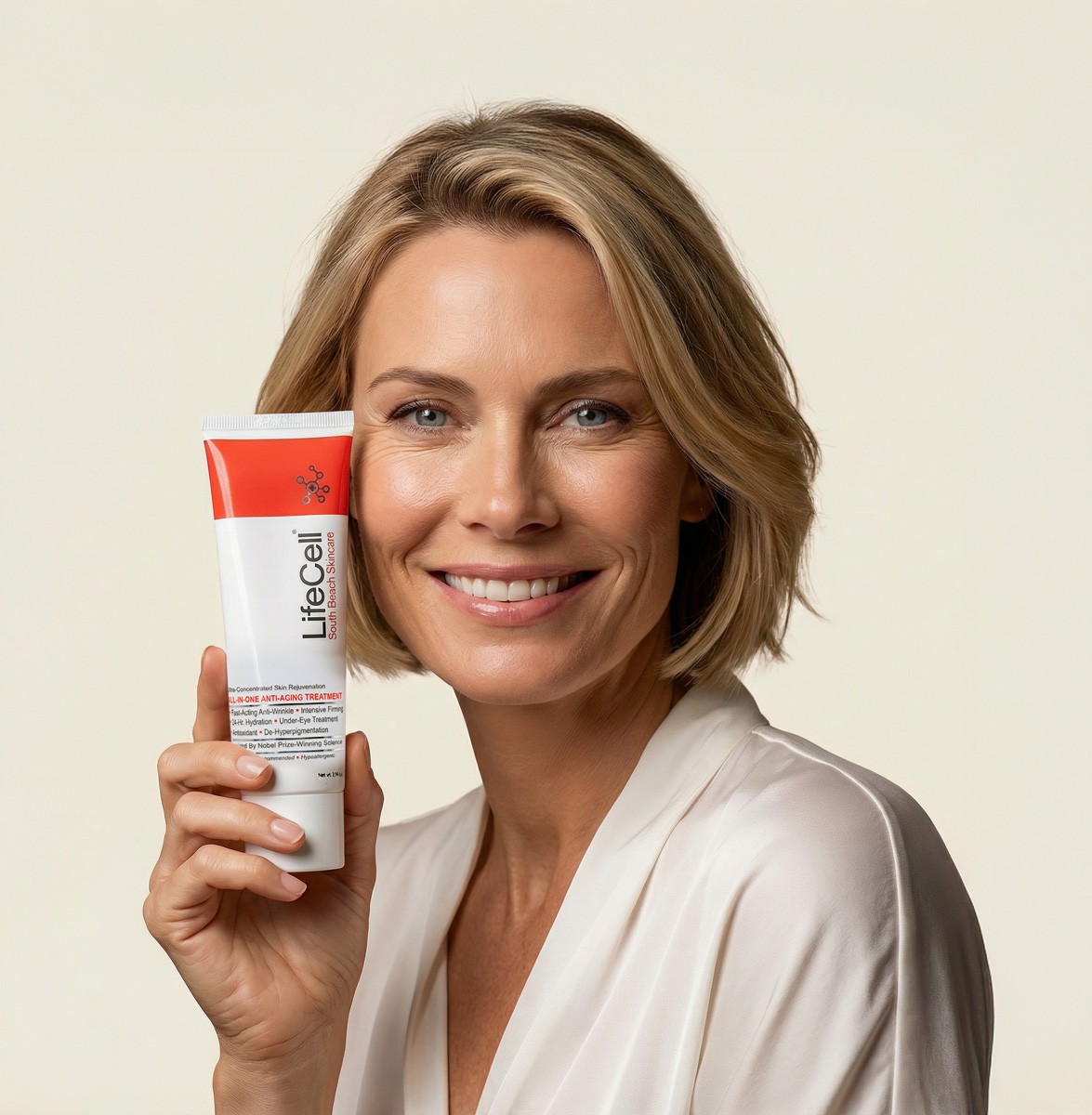
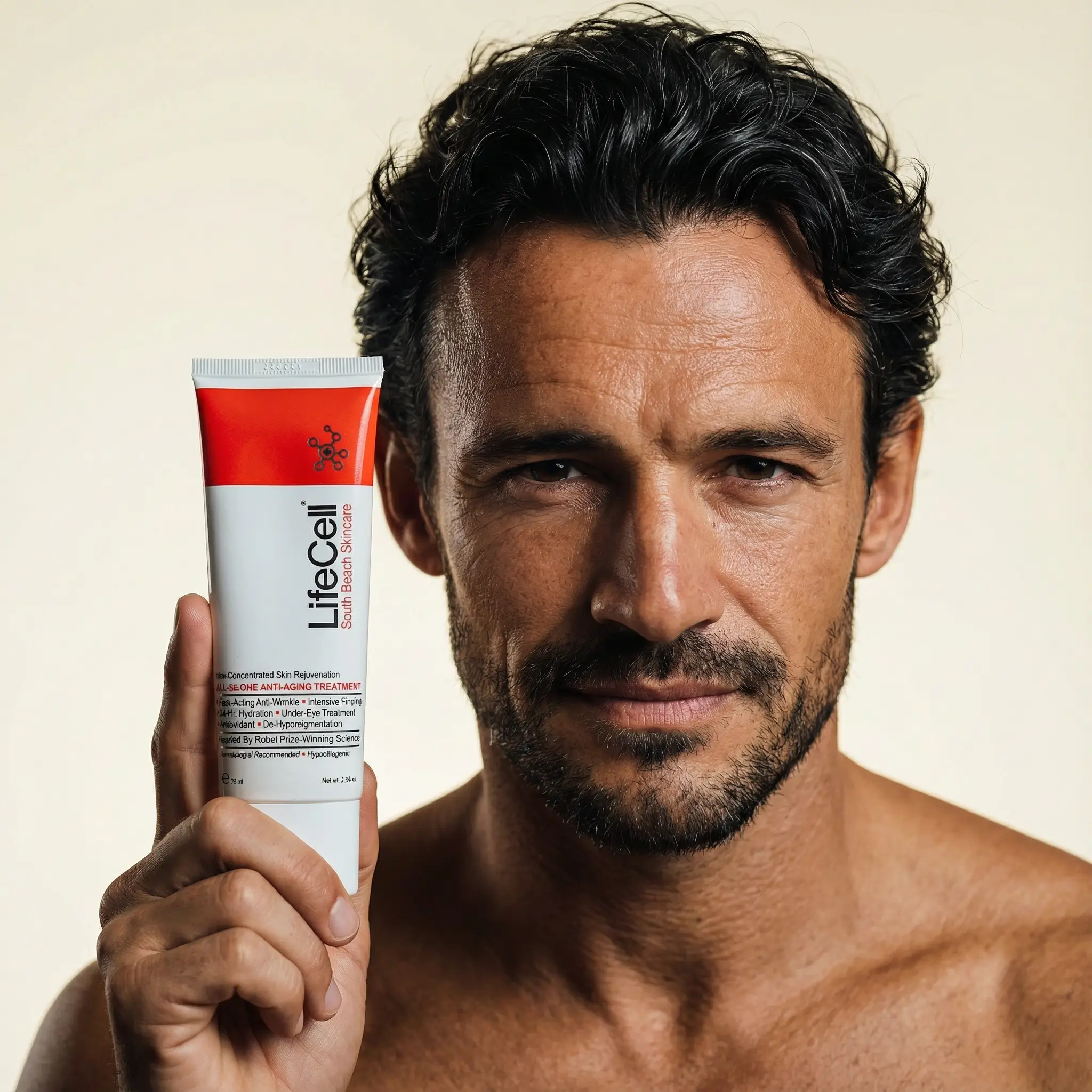
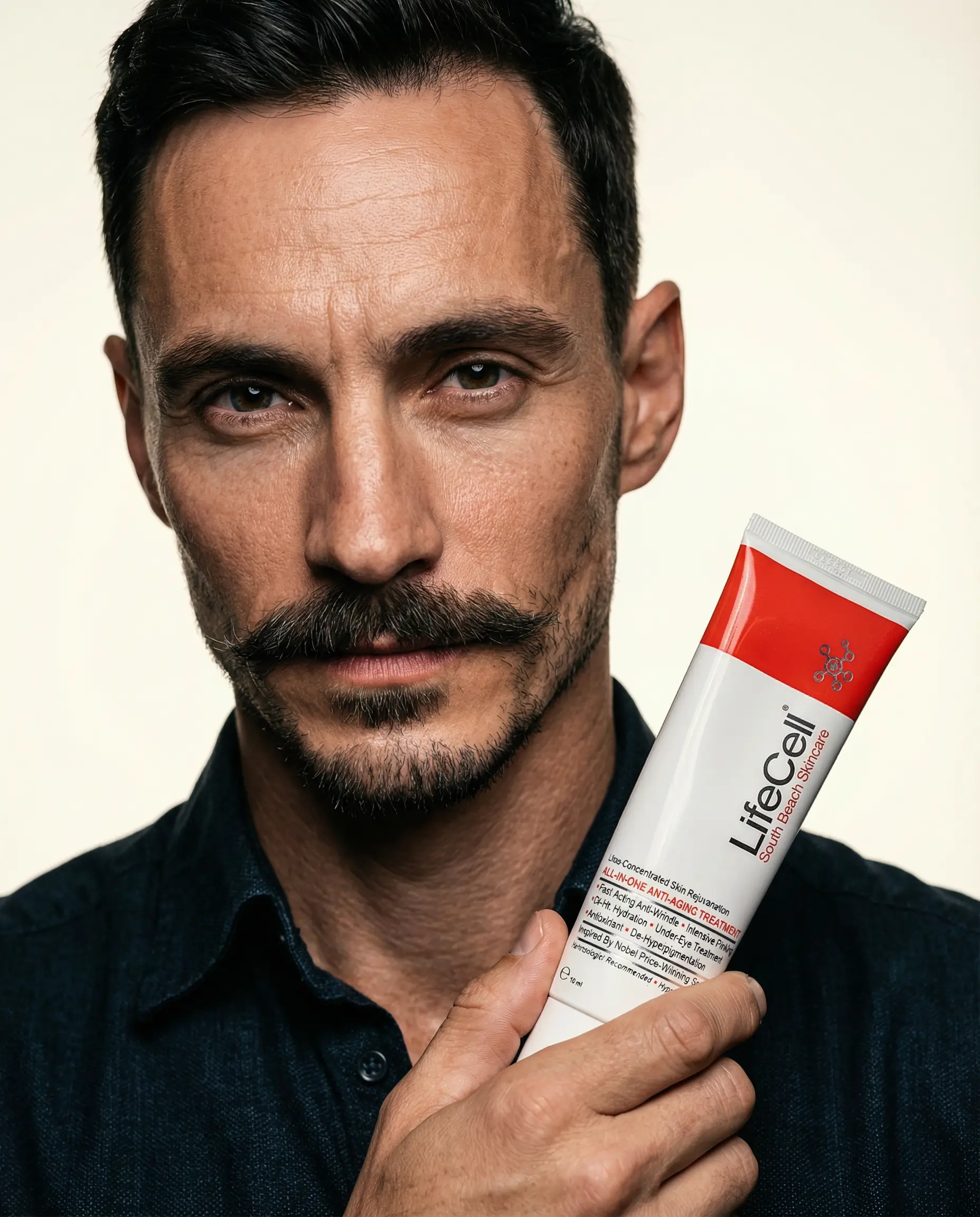
- Apply LifeCell All-In-One Anti-Aging Cream.
- Finish with broad-spectrum SPF 30 or higher.
Evening
- Cleanse to remove sunscreen, oil, and daily buildup.
- Apply LifeCell All-In-One Anti-Aging Cream as directed.
- Follow with moisturizer if your skin needs additional comfort.
Can Skincare Replace Botox, Fillers, or Surgery?
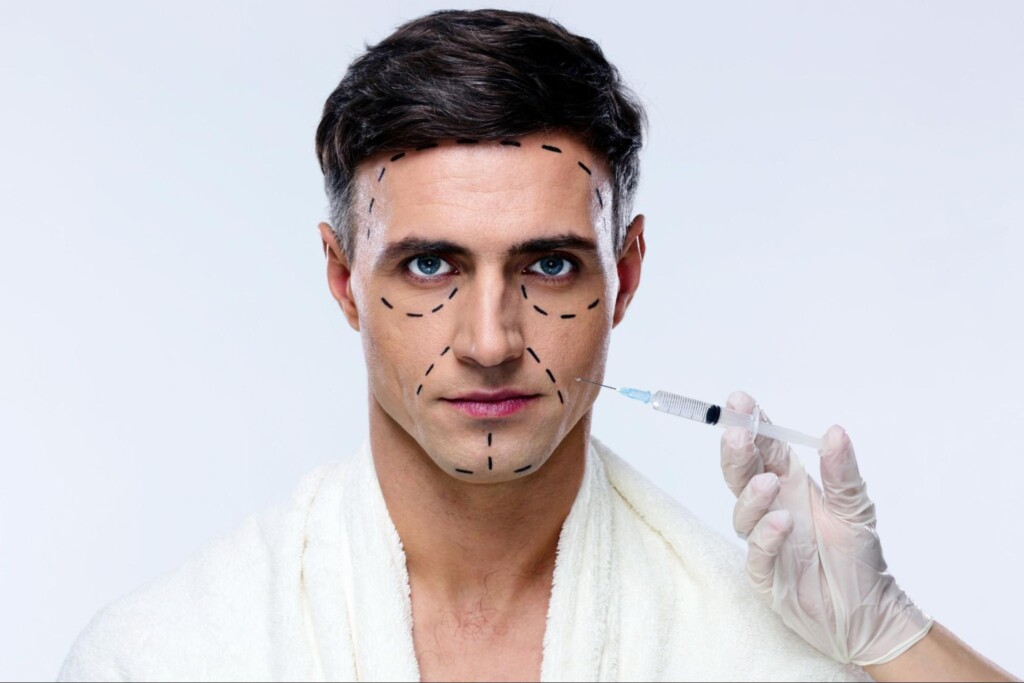
No topical product can fully replace an in-office procedure, and that does not make skincare ineffective. The options simply address different concerns:
- Skincare for men can improve hydration and the appearance of texture, tone, and mild fine lines with consistent use.
- Botulinum toxin injections temporarily reduce selected expression lines by relaxing targeted muscles.
- Dermal fillers add temporary volume to specific areas and carry procedure-specific risks.
- Surgery creates structural changes but involves greater cost, recovery, and medical risk.
The right choice depends on your goals, budget, health, and comfort with treatment. Anyone considering an injectable or surgical procedure should consult an appropriately licensed, experienced medical professional.
Where LifeCell Fits Into the Routine
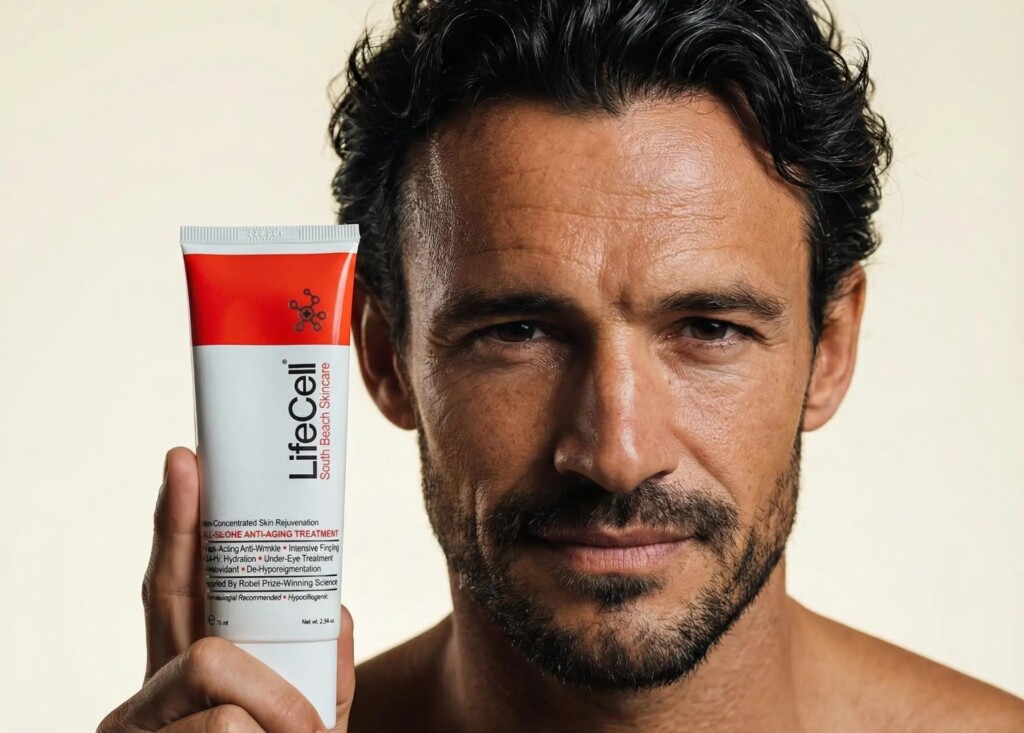
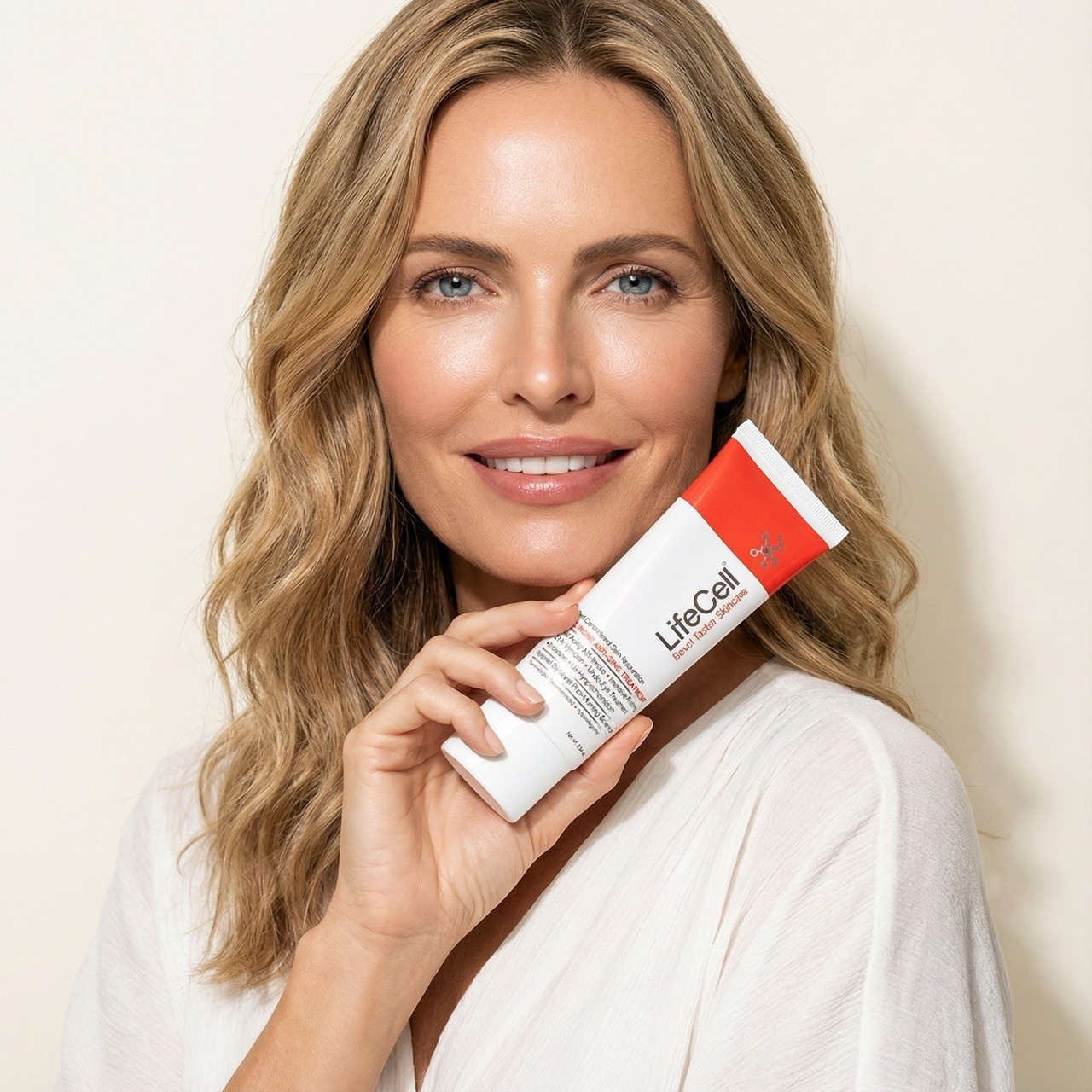
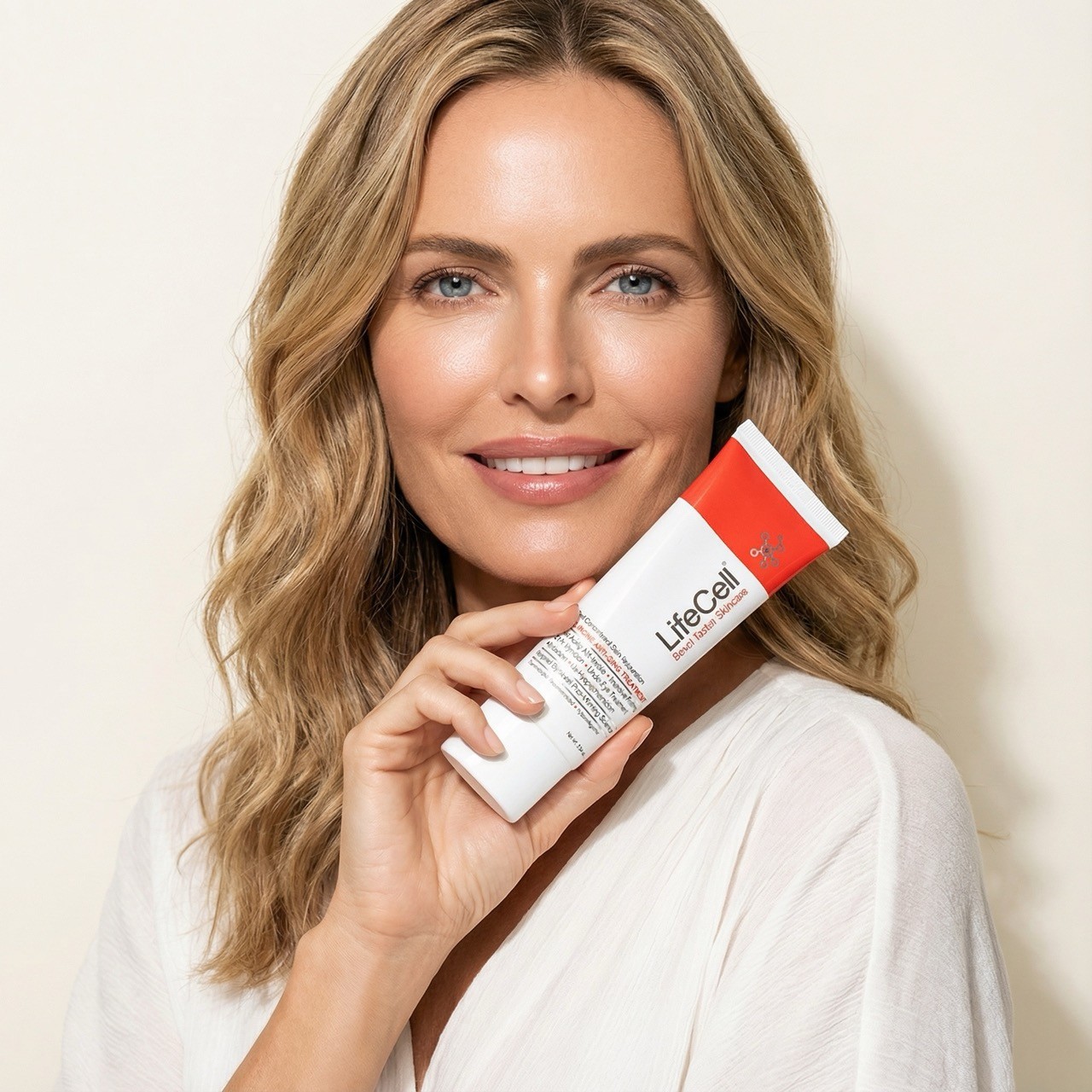
If you want to keep your skincare routine simple, LifeCell All-In-One Anti-Aging Cream combines multiple anti-aging ingredients in one formula. It features retinol, hyaluronic acid, vitamin C, vitamin A, DMAE, and other key ingredients to help address the appearance of fine lines, dryness, uneven texture, and other visible signs of aging.
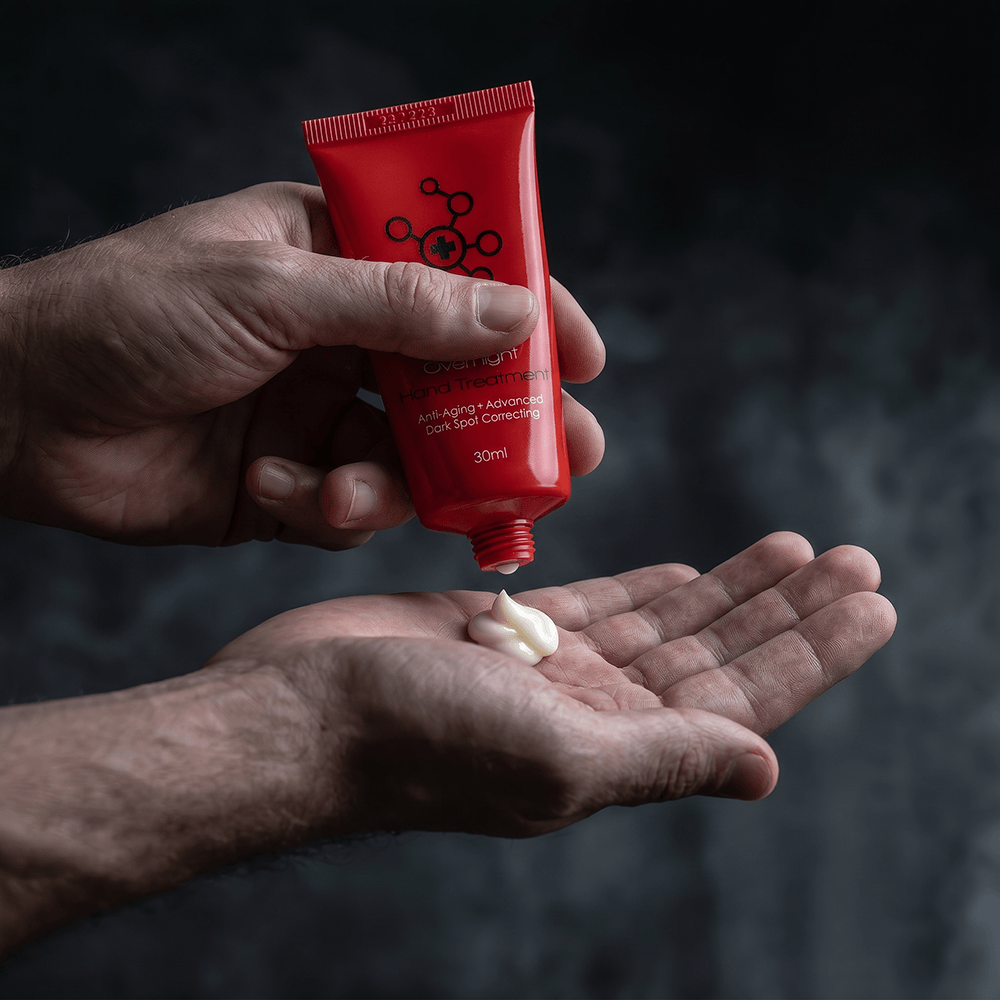
Apply a dime-sized amount in a thin layer to clean skin on your face and neck, morning and evening. Since LifeCell contains retinol, make broad-spectrum sunscreen part of your morning routine. If you have sensitive skin, consider patch-testing first and introducing the cream gradually to give your skin time to adjust.
You do not need a complicated lineup of products to take better care of your skin. LifeCell is designed to simplify your routine by bringing several skincare benefits together in one daily formula—making consistent anti-aging care easier to maintain.
| PRO TIP: Ready for a simpler routine? Explore LifeCell All-In-One Anti-Aging Cream ingredients and purchase yours now. |
VIEW LIFECELL ALL-IN-ONE ANTI-AGING CREAM
The Bottom Line
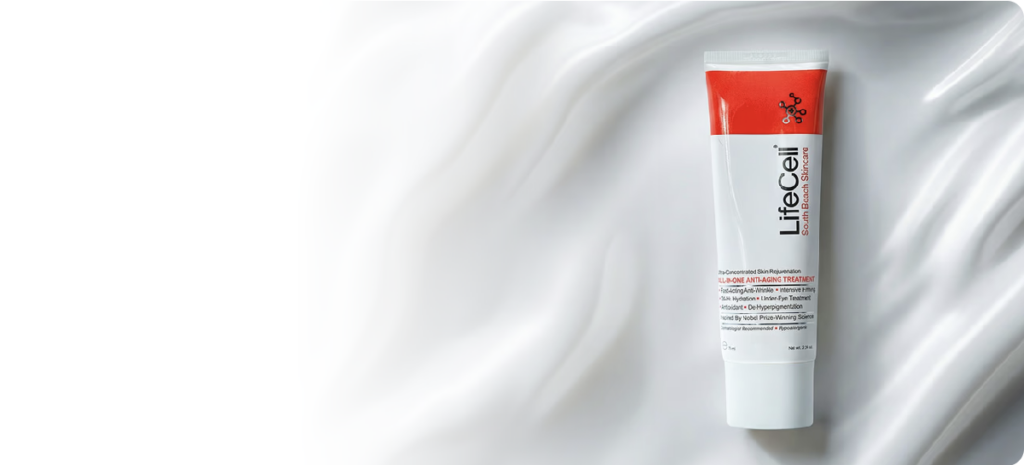
Looking younger after 40 does not require looking expressionless or pretending age has not happened. Protect your skin from the sun, keep it hydrated, introduce proven ingredients carefully, and stay consistent. Healthy-looking skin tends to look more confident at every age.
The best anti-aging routine is one you can realistically stick with. A few well-chosen products and healthy daily habits can go a long way toward keeping your skin looking smoother, brighter and more refreshed.
With a streamlined option like LifeCell All-In-One Anti-Aging Cream, you can target multiple visible signs of aging without turning skincare into a complicated daily process.
Medical disclaimer: This article provides general skincare information and is not a substitute for individualized medical advice, diagnosis, or treatment. Consult a qualified healthcare professional about persistent skin concerns, reactions, or cosmetic procedures.
Frequently Asked Questions
What is the best skincare routine for a man over 40?
Start with a gentle cleanser, a moisturizer suited to your skin type and broad-spectrum SPF 30 or higher. If your skin tolerates it, add one retinol-containing treatment gradually. Consistency matters more than the number of products.
Can skincare make a man look younger without Botox?
It’s important to understand that skin care for men can help the complexion look smoother, brighter and more hydrated, which may create a more refreshed appearance. It cannot, however, duplicate the muscle-relaxing or volume-restoring effects of injectable treatments.
How long does anti-aging skincare take to work?
Moisturizer may temporarily soften the appearance of fine lines within days. Most anti-aging products require at least six weeks of regular use, and some take up to three months.
Should men use retinol every night?
Not necessarily. Retinol can be irritating when introduced too quickly. Start slowly, follow the product directions, and increase frequency only if your skin remains comfortable. Consult a dermatologist if you have persistent redness, dryness or burning.
Is LifeCell a sunscreen?
No. LifeCell All-In-One Anti-Aging Cream is not marketed with an SPF rating. Apply a separate broad-spectrum SPF 30 or higher as the final skincare step every morning.